FOCUSED CARE FOR FELINES

Cat Flea, Tick & Worm Treatment

We help keep your cat parasite-free with targeted protection that eliminates fleas, ticks, and worms that cause serious health issues.

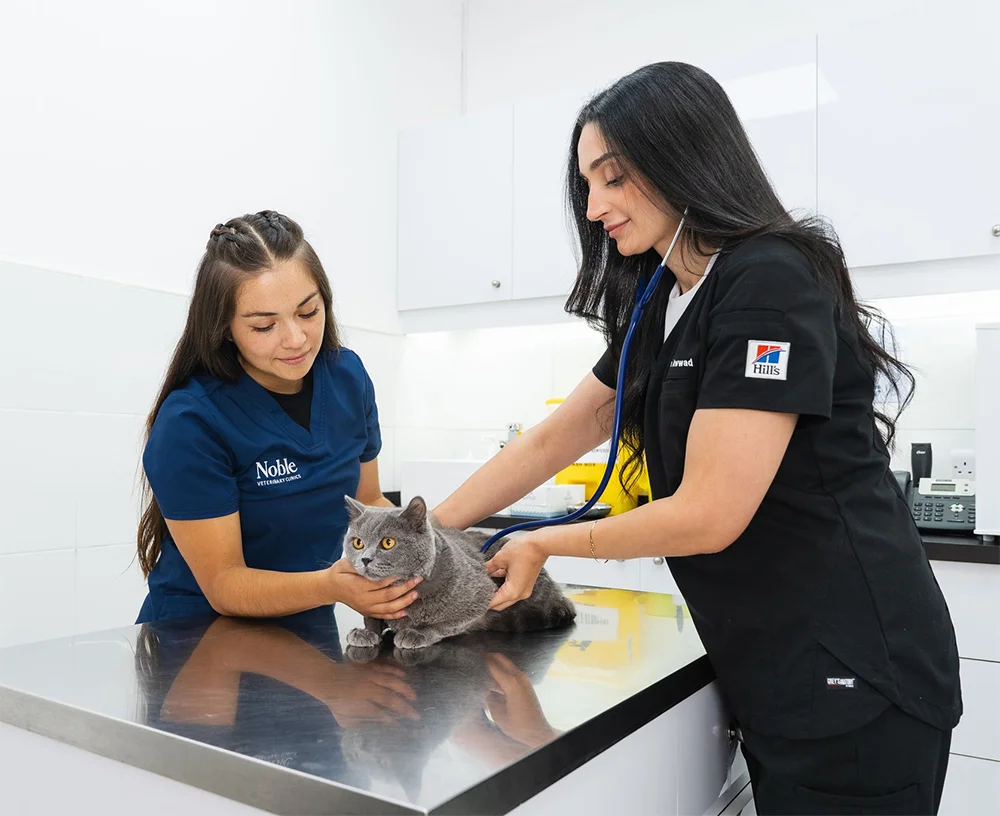
A Noble Veterinary Clinics vet prepares a cat for its parasite prevention treatment.

FOCUSED CARE FOR FELINES

Cat Flea, Tick & Worm Treatment

We help keep your cat parasite-free with targeted protection that eliminates fleas, ticks, and worms that cause serious health issues.

A Noble Veterinary Clinics vet prepares a cat for its parasite prevention treatment.

FOCUSED CARE FOR FELINES

Cat Flea, Tick & Worm Treatment

We help keep your cat parasite-free with targeted protection that eliminates fleas, ticks, and worms that cause serious health issues.

A Noble Veterinary Clinics vet prepares a cat for its parasite prevention treatment.

FOCUSED CARE FOR FELINES

Cat Flea, Tick & Worm Treatment

We help keep your cat parasite-free with targeted protection that eliminates fleas, ticks, and worms that cause serious health issues.

A Noble Veterinary Clinics vet prepares a cat for its parasite prevention treatment.

START AT

2 to 3 weeks

Kitten deworming begins early

ONGOING

Every 1 to 3 months

Based on age and lifestyle

COVERS

Internal & external

Worms, fleas, ticks & mites

PROTECTS

Whole household

Not just your cat

WHY IT MATTERS

Why parasite protection matters for cats

Internal and external parasites cause real problems for a cat's health, from simple discomfort to severe, even life-threatening complications. Worms, fleas, ticks, and mites are a genuine risk for every cat, which is exactly why deworming and parasite prevention matter.

Common in Dubai's climate

Easy to pick up outdoors, in gardens, on walks, and even from other animals nearby.

More than skin deep

Left untreated, infections can reach the lungs, heart, or gut.

A household risk too

Some parasites can pass to people, too.

Consistency matters most

Starting early and staying on schedule offers the best protection.

COMMON PARASITES

What types of parasites affect cats in the UAE?

Cats in Dubai face three main types of parasites, starting with fleas, ticks and mites that live on the coat. These are often picked up outdoors or from contact with other animals, and cause itching, infections or allergic reactions if left untreated.


The other risk lives inside the body: roundworms, hookworms, and heartworms, which spread through contaminated soil, fleas, or mosquito bites. These can cause anaemia, gastrointestinal problems or, in the case of heartworm, serious harm to the heart and lungs.
An open pet passport booklet showing vaccination record pages, with a cat's photo visible on the ID page

SIGNS TO WATCH OUT FOR

How can you tell if your cat has parasites?

Many parasite infestations are hard to detect, especially when the damage is happening internally. Watch for:

Excessive scratching or grooming

Weight loss despite normal eating

Visible worms in stool

Pale gums or low energy

Bloating or a pot-bellied appearance

Dirty ears or constant head shaking

Even healthy-looking cats benefit from routine checkups and stool sample testing, since internal parasites often aren't visible until the infestation has progressed.

THE SCHEDULE

When should cat deworming start?

Prevention starts with a consistent deworming schedule and year-round flea and tick control. Every pet has their own plan, and we send a reminder before each treatment is due.

2 WEEKS

First treatment

Begin deworming your kitten, with treatments every two weeks until they're 8 weeks old.

Begin deworming your kitten, with treatments every two weeks until they're 8 weeks old.

8 TO 12 WEEKS

Monthly dosing

Switch to monthly deworming until your kitten reaches 6 months old.

Switch to monthly deworming until your kitten reaches 6 months old.

6 MONTHS ON

Adult schedule

Deworm every 1 to 3 months, based on your cat's lifestyle and parasite risk, as advised by our vets.

Deworm every 1 to 3 months, based on your cat's lifestyle and parasite risk, as advised by our vets.

Every cat's needs are different, and your vet will confirm the right schedule based on their specific health, environment, and exposure risk. This timeline is a general guide, not a fixed rule for every cat.

STAYING AHEAD

Preventing worm infestation

Worm infestations are largely preventable with a consistent routine.

A tailored schedule

Vet-recommended dewormers based on your cat's age and lifestyle

Good hygiene

Daily litter scooping, weekly disinfecting, clean food and water bowls

Limited outdoor exposure

Paired with routine stool checks for early detection

Careful handling

Wash your hands after contact to reduce transmission risk

Ready to start prevention?

We'll build a schedule around your cat's age, lifestyle, and exposure risk.

Want to keep your cat safe from parasites?

Schedule your cat’s treatment against fleas, ticks, and mites with our team today.

Want to keep your cat safe from parasites?

Schedule your cat’s treatment against fleas, ticks, and mites with our team today.

Want to keep your cat safe from parasites?

Schedule your cat’s treatment against fleas, ticks, and mites with our team today.

Everything You Need to Know

Frequently Asked Questions

Do indoor cats need deworming?

Yes, even indoor cats need deworming. Worms can be transmitted through contact with other pets, raw food, an unhygienic litter box, or even brought in on shoes and clothing.

Is deworming safe for kittens and pregnant cats?

Yes, cat dewormers are safe for kittens and pregnant cats when properly dosed. A thorough checkup beforehand ensures the right treatment and dosage for their specific situation.

How do these preventive medications work?

Dewormers target the parasite's nervous system or structural integrity, paralysing, breaking down, or eliminating them. They're available in topical, oral, and liquid forms.

What happens if my cat misses a deworming schedule?

Missing one treatment usually isn't an immediate danger, but it does leave your cat more vulnerable. Book a visit as soon as possible so we can get things back on track.

Are there natural ways to deal with ticks and fleas?

Natural remedies exist, but they're generally less reliable than proven veterinary treatments. We're happy to discuss any option you're considering and help you weigh how effective it's likely to be for your cat specifically.

Can humans get parasites from cats?

Yes, several parasites, including roundworms and hookworms, can be transmitted from cats to people. Children, older adults, and anyone with a weakened immune system are at greatest risk, which is exactly why routine deworming matters for the whole household, not just your cat.

Everything You Need to Know

Frequently Asked Questions

Do indoor cats need deworming?

Yes, even indoor cats need deworming. Worms can be transmitted through contact with other pets, raw food, an unhygienic litter box, or even brought in on shoes and clothing.

Is deworming safe for kittens and pregnant cats?

Yes, cat dewormers are safe for kittens and pregnant cats when properly dosed. A thorough checkup beforehand ensures the right treatment and dosage for their specific situation.

How do these preventive medications work?

Dewormers target the parasite's nervous system or structural integrity, paralysing, breaking down, or eliminating them. They're available in topical, oral, and liquid forms.

What happens if my cat misses a deworming schedule?

Missing one treatment usually isn't an immediate danger, but it does leave your cat more vulnerable. Book a visit as soon as possible so we can get things back on track.

Are there natural ways to deal with ticks and fleas?

Natural remedies exist, but they're generally less reliable than proven veterinary treatments. We're happy to discuss any option you're considering and help you weigh how effective it's likely to be for your cat specifically.

Can humans get parasites from cats?

Yes, several parasites, including roundworms and hookworms, can be transmitted from cats to people. Children, older adults, and anyone with a weakened immune system are at greatest risk, which is exactly why routine deworming matters for the whole household, not just your cat.

Everything You Need to Know

Frequently Asked Questions

Do indoor cats need deworming?

Yes, even indoor cats need deworming. Worms can be transmitted through contact with other pets, raw food, an unhygienic litter box, or even brought in on shoes and clothing.

Is deworming safe for kittens and pregnant cats?

Yes, cat dewormers are safe for kittens and pregnant cats when properly dosed. A thorough checkup beforehand ensures the right treatment and dosage for their specific situation.

How do these preventive medications work?

Dewormers target the parasite's nervous system or structural integrity, paralysing, breaking down, or eliminating them. They're available in topical, oral, and liquid forms.

What happens if my cat misses a deworming schedule?

Missing one treatment usually isn't an immediate danger, but it does leave your cat more vulnerable. Book a visit as soon as possible so we can get things back on track.

Are there natural ways to deal with ticks and fleas?

Natural remedies exist, but they're generally less reliable than proven veterinary treatments. We're happy to discuss any option you're considering and help you weigh how effective it's likely to be for your cat specifically.

Can humans get parasites from cats?

Yes, several parasites, including roundworms and hookworms, can be transmitted from cats to people. Children, older adults, and anyone with a weakened immune system are at greatest risk, which is exactly why routine deworming matters for the whole household, not just your cat.

Everything You Need to Know

Frequently Asked Questions

Do indoor cats need deworming?

Yes, even indoor cats need deworming. Worms can be transmitted through contact with other pets, raw food, an unhygienic litter box, or even brought in on shoes and clothing.

Is deworming safe for kittens and pregnant cats?

Yes, cat dewormers are safe for kittens and pregnant cats when properly dosed. A thorough checkup beforehand ensures the right treatment and dosage for their specific situation.

How do these preventive medications work?

Dewormers target the parasite's nervous system or structural integrity, paralysing, breaking down, or eliminating them. They're available in topical, oral, and liquid forms.

What happens if my cat misses a deworming schedule?

Missing one treatment usually isn't an immediate danger, but it does leave your cat more vulnerable. Book a visit as soon as possible so we can get things back on track.

Are there natural ways to deal with ticks and fleas?

Natural remedies exist, but they're generally less reliable than proven veterinary treatments. We're happy to discuss any option you're considering and help you weigh how effective it's likely to be for your cat specifically.

Can humans get parasites from cats?

Yes, several parasites, including roundworms and hookworms, can be transmitted from cats to people. Children, older adults, and anyone with a weakened immune system are at greatest risk, which is exactly why routine deworming matters for the whole household, not just your cat.

Noble Vet Clinics logo