
PRECISION DIAGNOSTICS

PCR Testing for Pets

Fast, accurate lab testing to detect viral, bacterial, or parasitic infections in dogs, cats, and exotic pets. Whether your pet is showing symptoms or you're screening for safety, PCR helps us find answers early.

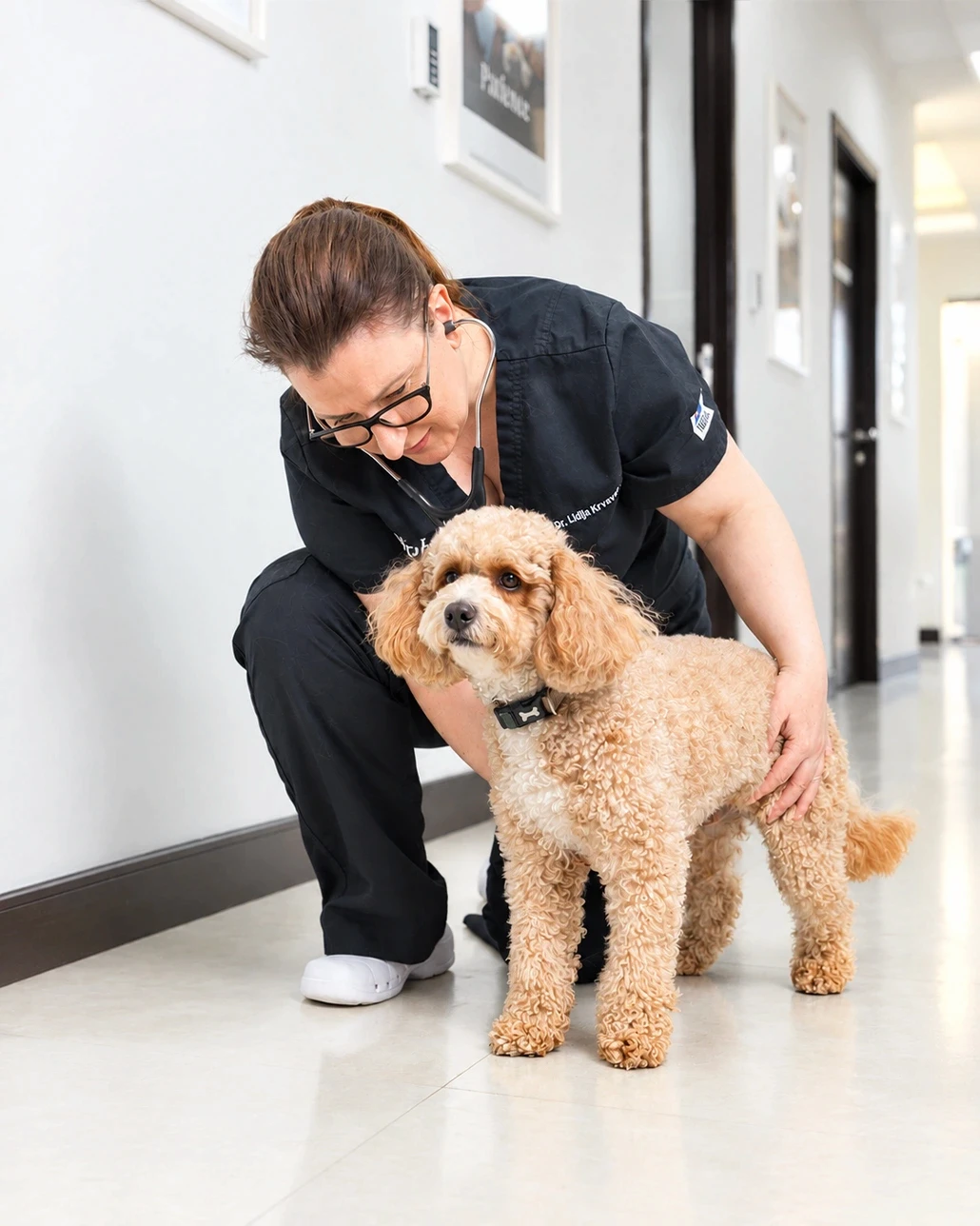
Dr Lidija Krvavac is crouching beside an apricot poodle in a clinic hallway before a PCR wellness test.

PRECISION DIAGNOSTICS

PCR Testing for Pets

Fast, accurate lab testing to detect viral, bacterial, or parasitic infections in dogs, cats, and exotic pets. Whether your pet is showing symptoms or you're screening for safety, PCR helps us find answers early.

Dr Lidija Krvavac is crouching beside an apricot poodle in a clinic hallway before a PCR wellness test.

PRECISION DIAGNOSTICS

PCR Testing for Pets

Fast, accurate lab testing to detect viral, bacterial, or parasitic infections in dogs, cats, and exotic pets. Whether your pet is showing symptoms or you're screening for safety, PCR helps us find answers early.

Dr Lidija Krvavac is crouching beside an apricot poodle in a clinic hallway before a PCR wellness test.

PRECISION DIAGNOSTICS

PCR Testing for Pets

Fast, accurate lab testing to detect viral, bacterial, or parasitic infections in dogs, cats, and exotic pets. Whether your pet is showing symptoms or you're screening for safety, PCR helps us find answers early.

Dr Lidija Krvavac is crouching beside an apricot poodle in a clinic hallway before a PCR wellness test.

TECHNOLOGY

InCycle™ System

Real-time genetic amplification

RESULTS

1-3 working days

Some panels may take longer

SAMPLES

Blood, stool, or swab

Chosen based on your pet's case

FROM

340 AED

Final cost varies

WHY IT MATTERS

Think your pet might be sick? This is the next step.

Not all illnesses show clear signs, especially in their early stages. If your pet is acting strangely, or symptoms come and go without explanation, PCR testing can help uncover hidden infections before they spread or worsen.


PCR (polymerase chain reaction) testing works at the genetic level, identifying traces of infectious agents in your pet's blood, stool, or swab samples. It's one of the most accurate tools we use to detect illness, giving quick, confident results whether you're dealing with symptoms, preparing for travel, or screening a rescue.

When should you consider a PCR test?

Not all infections are immediately apparent. If your pet's behaviour or health has changed, a PCR test can help uncover what's going on beneath the surface:

Your pet has diarrhoea, fever, or unexplained weight loss

There's a persistent cough or nasal discharge

A newly adopted animal shows signs of illness

You're preparing for travel or breeding

Another household pet has tested positive for an infection

When does your pet need a PCR test?

What is a PCR test and why might your pet need one? | Noble's Dr. Nenad Explains

Noble Veterinary Clinics

When does your pet need a PCR test?

What is a PCR test and why might your pet need one? | Noble's Dr. Nenad Explains

Noble Veterinary Clinics

When does your pet need a PCR test?

What is a PCR test and why might your pet need one? | Noble's Dr. Nenad Explains

Noble Veterinary Clinics

THE TECHNOLOGY

The InCycle™ PCR system

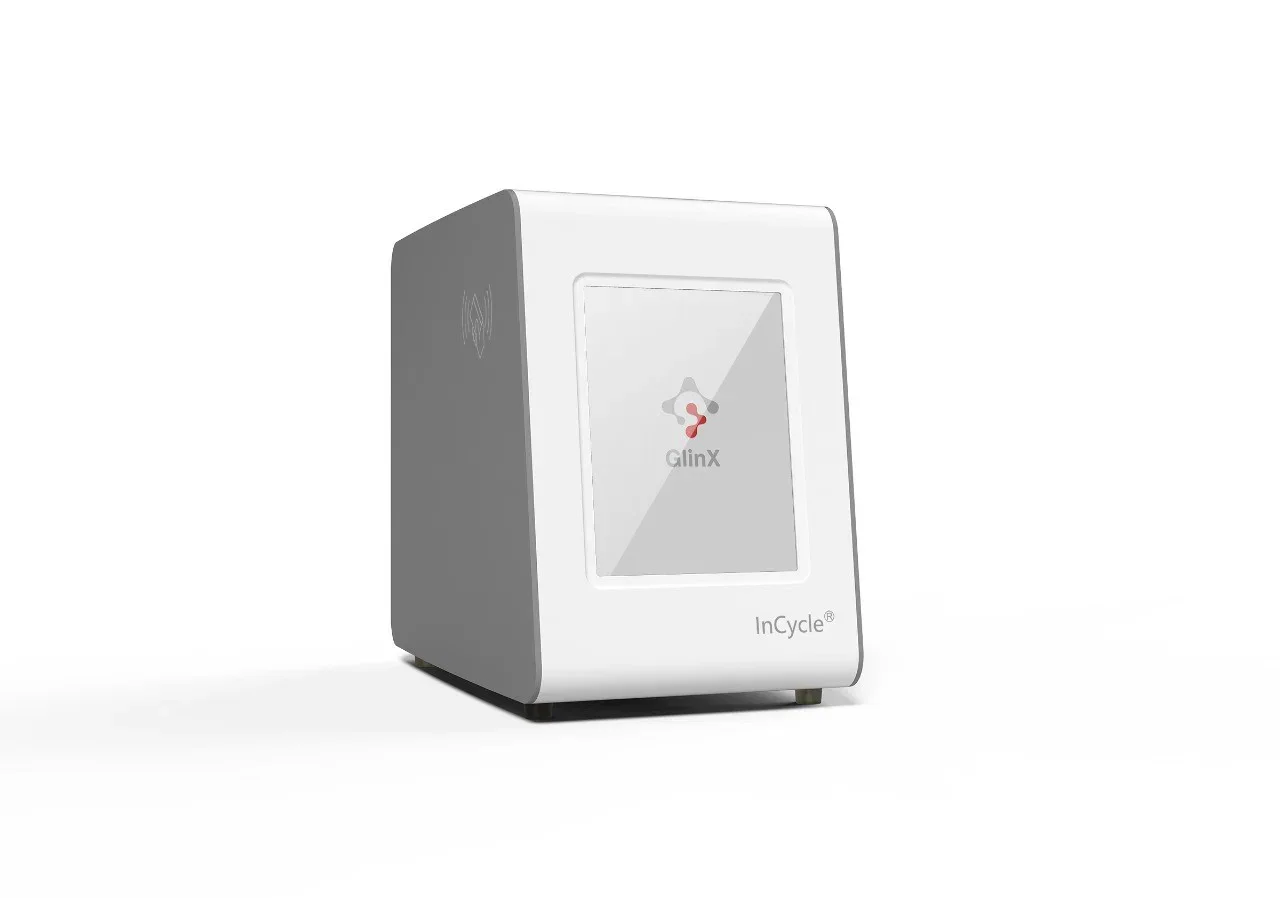
PCR samples are processed using the InCycle™ system, a compact, highly sensitive molecular diagnostic platform used by veterinary labs. It performs real-time genetic amplification to detect pathogens directly at the genetic level, rather than relying on symptoms alone.


Speed and accuracy work together here, not against each other. Even complex panels, like a 6-in-1 respiratory test, come back faster and cleaner, meaning fewer retests and a quicker diagnosis for your pet.

Real-time genetic amplification for pathogen detection

Shortened amplification cycles for faster turnaround

Controlled thermal processing for consistent results

Contamination-prevention design for a low false-negative rate
A veterinarian is helping a dog feel comfortable during the physical examination.

PRICING

How much does a PCR test cost?

PCR testing starts from 340 AED. The final cost depends on the test type, the number of pathogens screened, and your pet's specific condition. Our vet team will walk you through the options before any test, so you only pay for what's needed.

DIAGNOSIS OPTIONS

What PCR tests can you request?

Respiratory infections

Coughing, sneezing, nasal discharge

Feline viral screening

Before vaccination or introducing a new cat

Genetic testing for cats

For breeds prone to inherited disease

FIP & feline coronavirus

Fever, bloating, weight loss, poor appetite

Digestive issues

Diarrhoea, vomiting, changes in appetite

Parvovirus in puppies

Vomiting, bloody stool, extreme weakness

Bloodborne infections

Fever, low energy, weight loss, tick bites

Zoonotic & travel-related diseases

For breeding, travel, or exposure to other animals

Respiratory infections

Coughing, sneezing, nasal discharge

Digestive issues

Diarrhoea, vomiting, changes in appetite

Feline viral screening

Before vaccination or introducing a new cat

Parvovirus in puppies

Vomiting, bloody stool, extreme weakness

Genetic testing for cats

For breeds prone to inherited disease

Bloodborne infections

Fever, low energy, weight loss, tick bites

FIP & feline coronavirus

Fever, bloating, weight loss, poor appetite

Zoonotic & travel-related diseases

For breeding, travel, or exposure to other animals

Book a PCR Test

Get fast, accurate answers about your pet's symptoms.

Book a PCR Test

Get fast, accurate answers about your pet's symptoms.

Book a PCR Test

Get fast, accurate answers about your pet's symptoms.

Everything You Need to Know

Frequently Asked Questions

How accurate is a PCR test compared to other diagnostic methods?

PCR is one of the most sensitive tests available, since it detects genetic material directly rather than relying on symptoms or antibody response, which can take longer to develop or may not show up at all in early infection.

Can a PCR test give a false negative?

It's possible, though rare with modern testing, usually if a sample is taken too early in the infection or isn't collected correctly. If symptoms persist despite a negative result, we may recommend retesting or a different diagnostic approach.

Do I need to prepare my pet before a PCR test?

Generally, no special preparation is needed. For most sample types, your pet can eat, drink, and behave normally beforehand; we'll let you know directly if a specific test requires anything different.

Can PCR testing be done alongside other diagnostics, like bloodwork or imaging?

Yes, and it often is. PCR identifies the specific pathogen, while bloodwork or imaging can show how the infection is actually affecting your pet's body; together, they build a fuller picture than either alone.

Is PCR testing only for sick pets, or can healthy pets be tested too?

Both. Beyond diagnosing symptoms, PCR is commonly used for pre-travel screening, breeding checks, or confirming a newly adopted pet is clear of infections that could spread to other animals in the household.

Everything You Need to Know

Frequently Asked Questions

How accurate is a PCR test compared to other diagnostic methods?

PCR is one of the most sensitive tests available, since it detects genetic material directly rather than relying on symptoms or antibody response, which can take longer to develop or may not show up at all in early infection.

Can a PCR test give a false negative?

It's possible, though rare with modern testing, usually if a sample is taken too early in the infection or isn't collected correctly. If symptoms persist despite a negative result, we may recommend retesting or a different diagnostic approach.

Do I need to prepare my pet before a PCR test?

Generally, no special preparation is needed. For most sample types, your pet can eat, drink, and behave normally beforehand; we'll let you know directly if a specific test requires anything different.

Can PCR testing be done alongside other diagnostics, like bloodwork or imaging?

Yes, and it often is. PCR identifies the specific pathogen, while bloodwork or imaging can show how the infection is actually affecting your pet's body; together, they build a fuller picture than either alone.

Is PCR testing only for sick pets, or can healthy pets be tested too?

Both. Beyond diagnosing symptoms, PCR is commonly used for pre-travel screening, breeding checks, or confirming a newly adopted pet is clear of infections that could spread to other animals in the household.

Everything You Need to Know

Frequently Asked Questions

How accurate is a PCR test compared to other diagnostic methods?

PCR is one of the most sensitive tests available, since it detects genetic material directly rather than relying on symptoms or antibody response, which can take longer to develop or may not show up at all in early infection.

Can a PCR test give a false negative?

It's possible, though rare with modern testing, usually if a sample is taken too early in the infection or isn't collected correctly. If symptoms persist despite a negative result, we may recommend retesting or a different diagnostic approach.

Do I need to prepare my pet before a PCR test?

Generally, no special preparation is needed. For most sample types, your pet can eat, drink, and behave normally beforehand; we'll let you know directly if a specific test requires anything different.

Can PCR testing be done alongside other diagnostics, like bloodwork or imaging?

Yes, and it often is. PCR identifies the specific pathogen, while bloodwork or imaging can show how the infection is actually affecting your pet's body; together, they build a fuller picture than either alone.

Is PCR testing only for sick pets, or can healthy pets be tested too?

Both. Beyond diagnosing symptoms, PCR is commonly used for pre-travel screening, breeding checks, or confirming a newly adopted pet is clear of infections that could spread to other animals in the household.

Everything You Need to Know

Frequently Asked Questions

How accurate is a PCR test compared to other diagnostic methods?

PCR is one of the most sensitive tests available, since it detects genetic material directly rather than relying on symptoms or antibody response, which can take longer to develop or may not show up at all in early infection.

Can a PCR test give a false negative?

It's possible, though rare with modern testing, usually if a sample is taken too early in the infection or isn't collected correctly. If symptoms persist despite a negative result, we may recommend retesting or a different diagnostic approach.

Do I need to prepare my pet before a PCR test?

Generally, no special preparation is needed. For most sample types, your pet can eat, drink, and behave normally beforehand; we'll let you know directly if a specific test requires anything different.

Can PCR testing be done alongside other diagnostics, like bloodwork or imaging?

Yes, and it often is. PCR identifies the specific pathogen, while bloodwork or imaging can show how the infection is actually affecting your pet's body; together, they build a fuller picture than either alone.

Is PCR testing only for sick pets, or can healthy pets be tested too?

Both. Beyond diagnosing symptoms, PCR is commonly used for pre-travel screening, breeding checks, or confirming a newly adopted pet is clear of infections that could spread to other animals in the household.

Noble Vet Clinics logo