
ORTHOPAEDIC SURGERY

Total Hip Replacement in Dogs

This is the standard surgery for dogs with severe hip pain caused by dysplasia, rheumatoid arthritis, or osteoarthritis. It rebuilds the joint itself, giving your dog a real path back to an active, pain-free life.

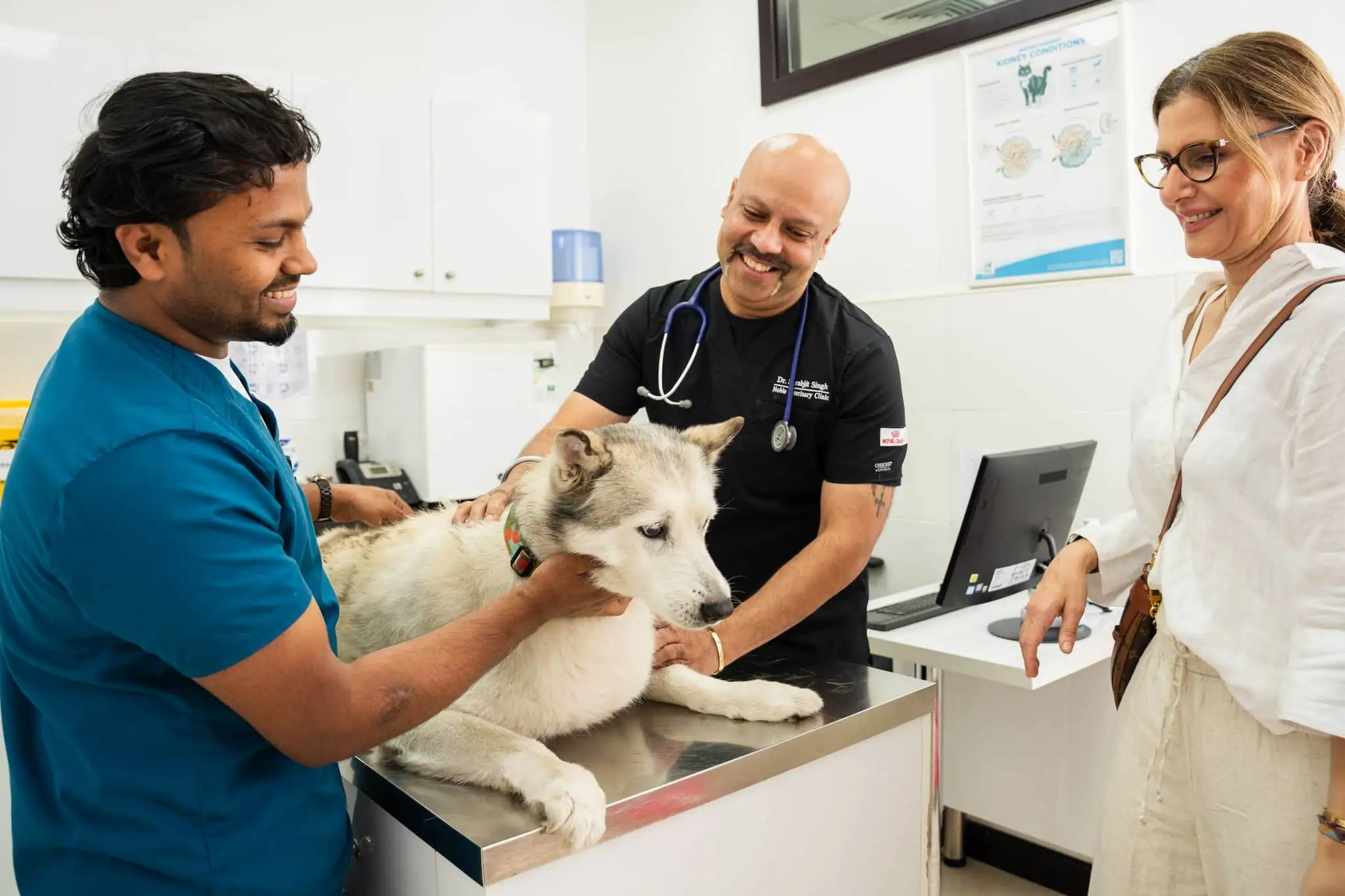
Two veterinarians are preparing a dog for hip replacement surgery. The pet owner is nearby.

ORTHOPAEDIC SURGERY

Total Hip Replacement in Dogs

This is the standard surgery for dogs with severe hip pain caused by dysplasia, rheumatoid arthritis, or osteoarthritis. It rebuilds the joint itself, giving your dog a real path back to an active, pain-free life.

Two veterinarians are preparing a dog for hip replacement surgery. The pet owner is nearby.

ORTHOPAEDIC SURGERY

Total Hip Replacement in Dogs

This is the standard surgery for dogs with severe hip pain caused by dysplasia, rheumatoid arthritis, or osteoarthritis. It rebuilds the joint itself, giving your dog a real path back to an active, pain-free life.

Two veterinarians are preparing a dog for hip replacement surgery. The pet owner is nearby.

ORTHOPAEDIC SURGERY

Total Hip Replacement in Dogs

This is the standard surgery for dogs with severe hip pain caused by dysplasia, rheumatoid arthritis, or osteoarthritis. It rebuilds the joint itself, giving your dog a real path back to an active, pain-free life.

Two veterinarians are preparing a dog for hip replacement surgery. The pet owner is nearby.

LED BY

Dr. Sarabjit Singh

Dr. Singh

15+ years in orthopaedic surgery

ENVIRONMENT

ICU recovery

Quiet, monitored aftercare

BEST TIMING

Fully grown

Usually 9-12 months

SUCCESS RATE

90-95%

Full, lasting mobility

WHY IT MATTERS

Why should your dog see a vet for hip pain?

Many dogs suffer quietly from hip discomfort, often showing only subtle signs, stiffness, limping, or reluctance to climb stairs. These can seem minor at first, but they're often early indicators of chronic conditions like hip dysplasia or arthritis, which gradually worsen without treatment.


A timely evaluation identifies the underlying cause and ensures your dog gets the right care to preserve mobility and quality of life.

Left untreated, hip pain can lead to:

Reduced mobility

Muscle loss

Blood clots

Strain on other joints as your dog compensates

Total hip replacement: before and after surgery

Total hip replacement: before and after surgery | Noble's Dr. Mafalda Explains

Noble Veterinary Clinics

Total hip replacement: before and after surgery

Total hip replacement: before and after surgery | Noble's Dr. Mafalda Explains

Noble Veterinary Clinics

Total hip replacement: before and after surgery

Total hip replacement: before and after surgery | Noble's Dr. Mafalda Explains

Noble Veterinary Clinics

THE BENEFITS

What will your dog gain with the surgery?

Beyond reducing pain, a successful hip replacement changes what your dog can do day to day. Here's what most owners notice once recovery is complete.

Better mobility day-to-day

Moves more freely, with reduced stiffness and limping, making daily activities easier.

Stronger overall health

Better mobility supports muscle strength, joint stability, and long-term weight control.

Reduced reliance on medication

Long-term painkillers become less necessary as the new joint consistently relieves chronic discomfort.

Lasting surgical outcomes

With proper care and follow-up, THR implants provide reliable function and comfort for many years.

A real return to activity

Walks, play, and normal movement become possible again, without ongoing joint pain limiting what your dog can do.

Protects other joints

Relieves the extra strain your dog's spine and other legs were carrying while compensating for hip pain.

IS YOUR DOG A CANDIDATE

Who is a good candidate for THR?

Total hip replacement is generally suitable for dogs who are:

Fully grown (usually over 9-12 months old)

In otherwise good health, without untreated systemic conditions

Experiencing chronic hip pain that no longer responds to conservative management, such as medication, exercise restriction, or physical therapy

If your dog struggles daily with mobility and comfort, THR may be the right next step to restore normal movement.
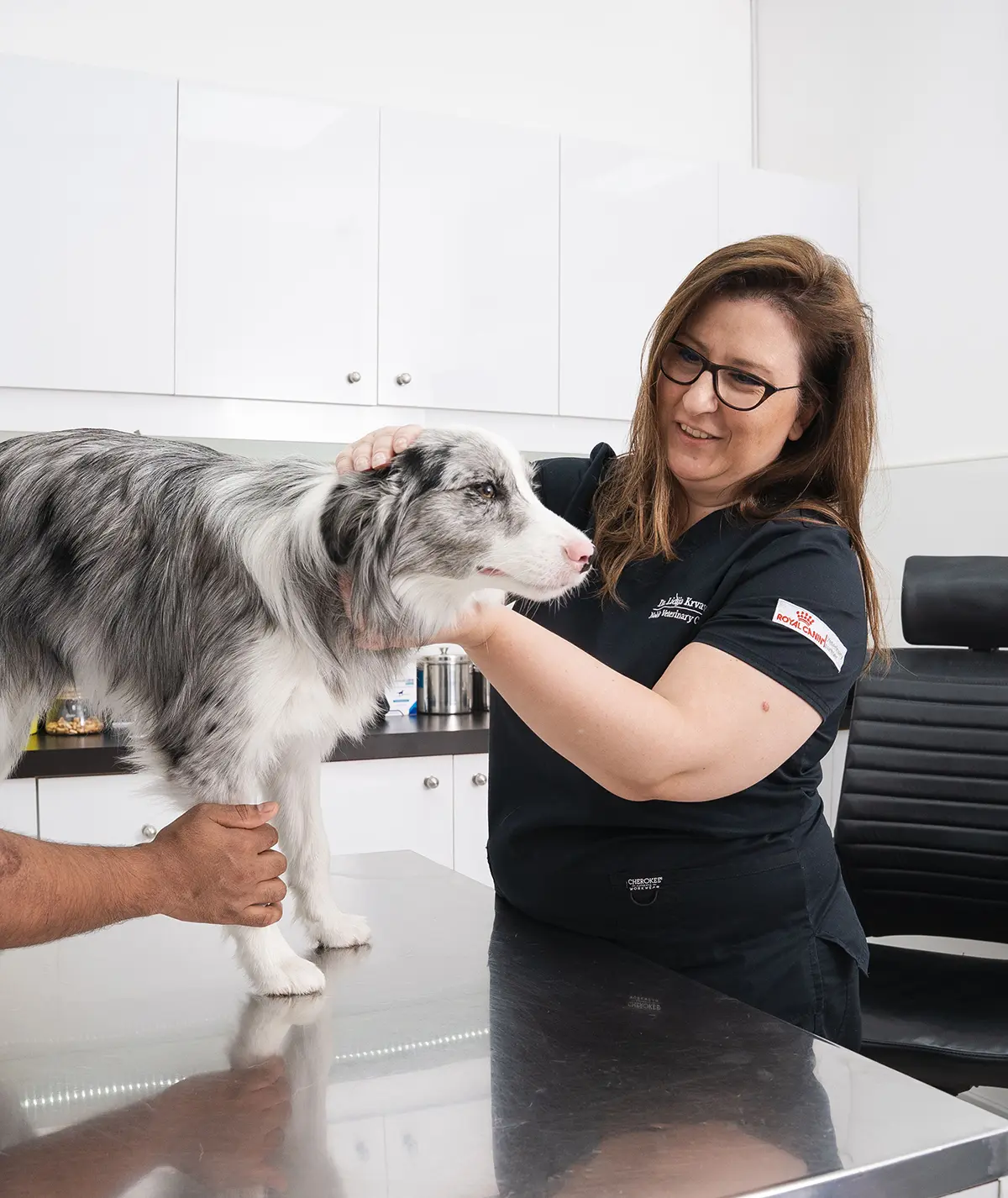
Dr. Mafalda Sardinha and Yana with a Saluki dog at Noble Vet Clinic in Dubai.

THE PROCEDURE

What to expect during the procedure?

One

Consultation and planning

A full orthopaedic assessment, including X-rays and bloodwork, confirms candidacy and determines the right implant.

Two

Surgery

Under anaesthesia, the damaged ball and socket are removed and replaced with a metal stem and prosthetic socket.

Three

Hospital care and healing

Your dog stays in our ICU for 1–3 days for monitoring and early mobility support, while surrounding tissue heals around the new implant.

Four

Rehabilitation and follow-up

Recovery is gradual and closely monitored, with scheduled check-ups and X-rays confirming everything is on track.

One

Consultation and planning

A full orthopaedic assessment, including X-rays and bloodwork, confirms candidacy and determines the right implant.

Two

Surgery

Under anaesthesia, the damaged ball and socket are removed and replaced with a metal stem and prosthetic socket.

Three

Hospital care and healing

Your dog stays in our ICU for 1–3 days for monitoring and early mobility support, while surrounding tissue heals around the new implant.

Four

Rehabilitation and follow-up

Recovery is gradual and closely monitored, with scheduled check-ups and X-rays confirming everything is on track.

WHO WILL PERFORM THE SURGERY?

Dr. Sarabjit Singh

Dr. Singh is based full-time at our DIP hospital, where he focuses on small-animal orthopaedics and surgical care, including total hip replacement.


His patient-centred approach focuses on explaining the available options clearly and helping owners understand exactly what surgery and recovery will involve.

Master of Veterinary Surgery

15+ years in small animal orthopaedic surgery

Performs total hip replacement and TPLO using the Arthrex system.

Handles fracture repair, joint stabilisation, and ligament reconstruction

Noble Vet orthopedic surgeon Dr. Sarabjit Singh holding a small brown dog.

SECOND OPINION

Already been told your dog needs hip replacement?

A surgery recommendation like this is a big decision. If another vet has suggested total hip replacement for your dog, Dr. Singh can review the diagnosis, walk you through the alternatives, and confirm whether THR is genuinely the right next step.

FOR REFERRING VETS

Refer the hip cases you can't fully work up in-house

Most clinics don't have on-site CT imaging or the surgical setup for total hip replacement, which can make advanced hip cases hard to manage without specialist support.


We take hip replacement referrals from practices across Dubai and the wider UAE. Your client stays your client. We handle the surgery and recovery, report back to you in full, and return them to your care.

Most clinics don't have a slit lamp, a tonometer, gonioscopy, or an ERG, which makes some eye cases impossible to diagnose properly however good the vet is.

We take ophthalmology referrals from practices across Dubai and the wider UAE. Your client stays your client. We see the eye, report back to you in full, and return them to your care.

How referral works

Send the case notes, and we'll confirm an appointment, usually within 48 hours

Urgent cases, including fracture-related hip trauma, are seen the same day

A full written report with imaging back to you after every consultation

We treat the hip only. Everything else stays with you

Call Dr. Singh directly to discuss a case before referring

Book Your Dog's Hip Surgery

Schedule a consultation with Dr. Singh today.

Book Your Dog's Hip Surgery

Schedule a consultation with Dr. Singh today.

Book Your Dog's Hip Surgery

Schedule a consultation with Dr. Singh today.

Everything You Need to Know

Frequently Asked Questions

How long will the hip implant last?

With proper care, hip implants can last for many years, often for the rest of your dog's life. Regular check-ups and maintaining a healthy weight both support long-term success.

Are there risks with the surgery?

Yes, as with any major surgery. These include infection, blood clots, or implant-related complications, though serious issues are rare with an experienced surgical team and careful aftercare.

Can both hips be replaced if my dog has dysplasia on both sides?

Yes, though this is typically done as two separate surgeries, spaced months apart, to allow a full, uninterrupted recovery on each side before operating on the other.

Will my dog need physiotherapy after surgery?

Often, yes. Structured rehabilitation, whether at home or with guided sessions, meaningfully improves recovery speed and long-term outcomes, and we'll advise on exactly what your dog needs during follow-up visits.

Is total hip replacement the only option for severe hip dysplasia?

Not always. Depending on your dog's size, age, and severity, other procedures like femoral head ostectomy may be considered, we'll discuss the right option for your dog's specific case during consultation.

Will my dog need special care at home during recovery?

Yes, a quiet, confined space, controlled leash walks only, and avoiding stairs or jumping are all part of a safe recovery, we'll give you a full, specific home-care plan before your dog is discharged.

Everything You Need to Know

Frequently Asked Questions

How long will the hip implant last?

With proper care, hip implants can last for many years, often for the rest of your dog's life. Regular check-ups and maintaining a healthy weight both support long-term success.

Are there risks with the surgery?

Yes, as with any major surgery. These include infection, blood clots, or implant-related complications, though serious issues are rare with an experienced surgical team and careful aftercare.

Can both hips be replaced if my dog has dysplasia on both sides?

Yes, though this is typically done as two separate surgeries, spaced months apart, to allow a full, uninterrupted recovery on each side before operating on the other.

Will my dog need physiotherapy after surgery?

Often, yes. Structured rehabilitation, whether at home or with guided sessions, meaningfully improves recovery speed and long-term outcomes, and we'll advise on exactly what your dog needs during follow-up visits.

Is total hip replacement the only option for severe hip dysplasia?

Not always. Depending on your dog's size, age, and severity, other procedures like femoral head ostectomy may be considered, we'll discuss the right option for your dog's specific case during consultation.

Will my dog need special care at home during recovery?

Yes, a quiet, confined space, controlled leash walks only, and avoiding stairs or jumping are all part of a safe recovery, we'll give you a full, specific home-care plan before your dog is discharged.

Everything You Need to Know

Frequently Asked Questions

How long will the hip implant last?

With proper care, hip implants can last for many years, often for the rest of your dog's life. Regular check-ups and maintaining a healthy weight both support long-term success.

Are there risks with the surgery?

Yes, as with any major surgery. These include infection, blood clots, or implant-related complications, though serious issues are rare with an experienced surgical team and careful aftercare.

Can both hips be replaced if my dog has dysplasia on both sides?

Yes, though this is typically done as two separate surgeries, spaced months apart, to allow a full, uninterrupted recovery on each side before operating on the other.

Will my dog need physiotherapy after surgery?

Often, yes. Structured rehabilitation, whether at home or with guided sessions, meaningfully improves recovery speed and long-term outcomes, and we'll advise on exactly what your dog needs during follow-up visits.

Is total hip replacement the only option for severe hip dysplasia?

Not always. Depending on your dog's size, age, and severity, other procedures like femoral head ostectomy may be considered, we'll discuss the right option for your dog's specific case during consultation.

Will my dog need special care at home during recovery?

Yes, a quiet, confined space, controlled leash walks only, and avoiding stairs or jumping are all part of a safe recovery, we'll give you a full, specific home-care plan before your dog is discharged.

Everything You Need to Know

Frequently Asked Questions

How long will the hip implant last?

With proper care, hip implants can last for many years, often for the rest of your dog's life. Regular check-ups and maintaining a healthy weight both support long-term success.

Are there risks with the surgery?

Yes, as with any major surgery. These include infection, blood clots, or implant-related complications, though serious issues are rare with an experienced surgical team and careful aftercare.

Can both hips be replaced if my dog has dysplasia on both sides?

Yes, though this is typically done as two separate surgeries, spaced months apart, to allow a full, uninterrupted recovery on each side before operating on the other.

Will my dog need physiotherapy after surgery?

Often, yes. Structured rehabilitation, whether at home or with guided sessions, meaningfully improves recovery speed and long-term outcomes, and we'll advise on exactly what your dog needs during follow-up visits.

Is total hip replacement the only option for severe hip dysplasia?

Not always. Depending on your dog's size, age, and severity, other procedures like femoral head ostectomy may be considered, we'll discuss the right option for your dog's specific case during consultation.

Will my dog need special care at home during recovery?

Yes, a quiet, confined space, controlled leash walks only, and avoiding stairs or jumping are all part of a safe recovery, we'll give you a full, specific home-care plan before your dog is discharged.

Noble Vet Clinics logo