How Long Do Cats Live? A Guide on Lifespan and Life Stages


This article has been reviewed by Dr. Soheyl Simaei on May 25, 2026.

Key Takeaways
The level of care directly affects how long cats live.
Cats have specific needs depending on their life stages.
Veterinary care is essential for a cat’s longevity.
What affects a cat’s lifespan?
The length of a cat’s life can be determined by factors such as genetics, nutrition, level of veterinary care, environment, and whether the cat lives indoors or outdoors. Here’s a brief overview of each factor according to Dr. Soheyl:
Genetics
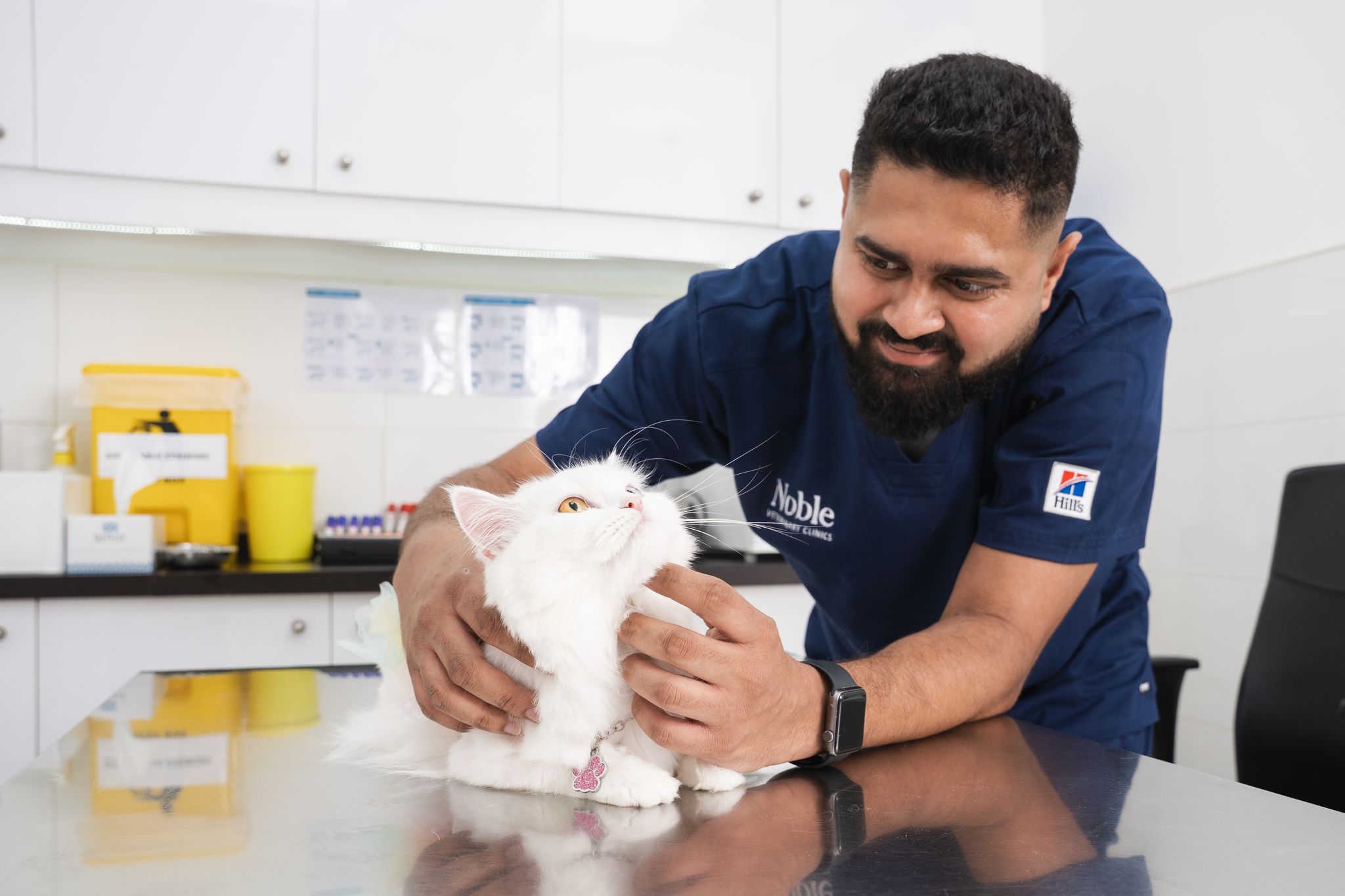
Some cats inherit a higher risk of certain diseases because of their genetic makeup. For example, Persian cats are genetically predisposed to several conditions, such as polycystic kidney disease and brachycephalic airway syndrome.
These may affect their overall quality of life and longevity. Additionally, mixed-breed cats live longer than purebred cats because of their greater genetic diversity, which lowers the risk of breed-specific problems.
Nutrition
Good nutrition prevents disease, avoids obesity, and provides energy. A well-balanced diet for cats, paired with exercise, is a good way to increase lifespan.
Preventive Care
Veterinary care positively affects how long cats live through these benefits:
Early detection of health problems
Spaying and neutering to prevent life-threatening cancers
Vaccinations and deworming treatments against severe diseases
Complete dental care to avoid bacteremia
Indoor vs Outdoor Living
Indoor cats are safer from significant dangers and enjoy a much longer lifespan. Free-roaming outdoor cats typically live about 2-5 years due to severe hazards such as traffic, infectious diseases, toxins, and parasites.
Lifestyle and Home Care
Chronic stress, unclean homes, and dirty litter boxes can affect a cat’s physical and behavioral health, negatively impacting lifespan. This includes urinary issues, digestive problems, and susceptibility to infection.
Home care is also a factor. When cats are cared for properly at home, including regular dental brushing and exercise, they live longer.
On average, most cats live between 13 and 17 years. Still, several factors may increase or decrease this range, depending on the cat and their living conditions.
When properly cared for, cats may live happily into their late teens or even 20s. Here’s our guide on how long cats live and how to care for one.

Frequently Asked Questions







MORE THAN A VET VISIT