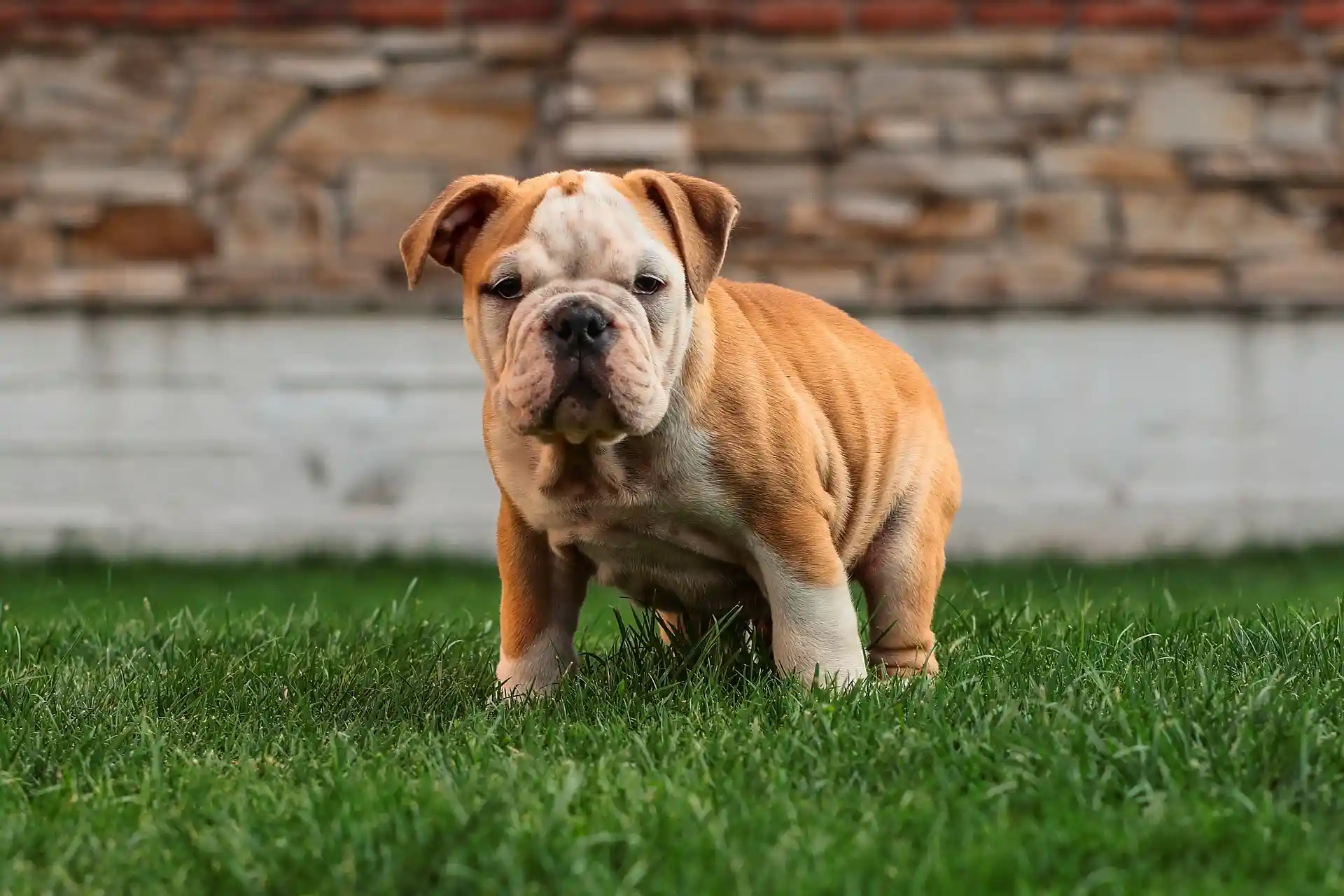
Breed Overview
Personality: Calm, affectionate, dependable, courageous, occasionally stubborn
18-25 kg (40-55 lb)
Coat Colours: Red, fawn, white, brindle, piebald, and combinations
Short
Coat Patterns: Solid, brindle, piebald
Eye Colour: Dark
8 to 10 years
No
History of the English Bulldog
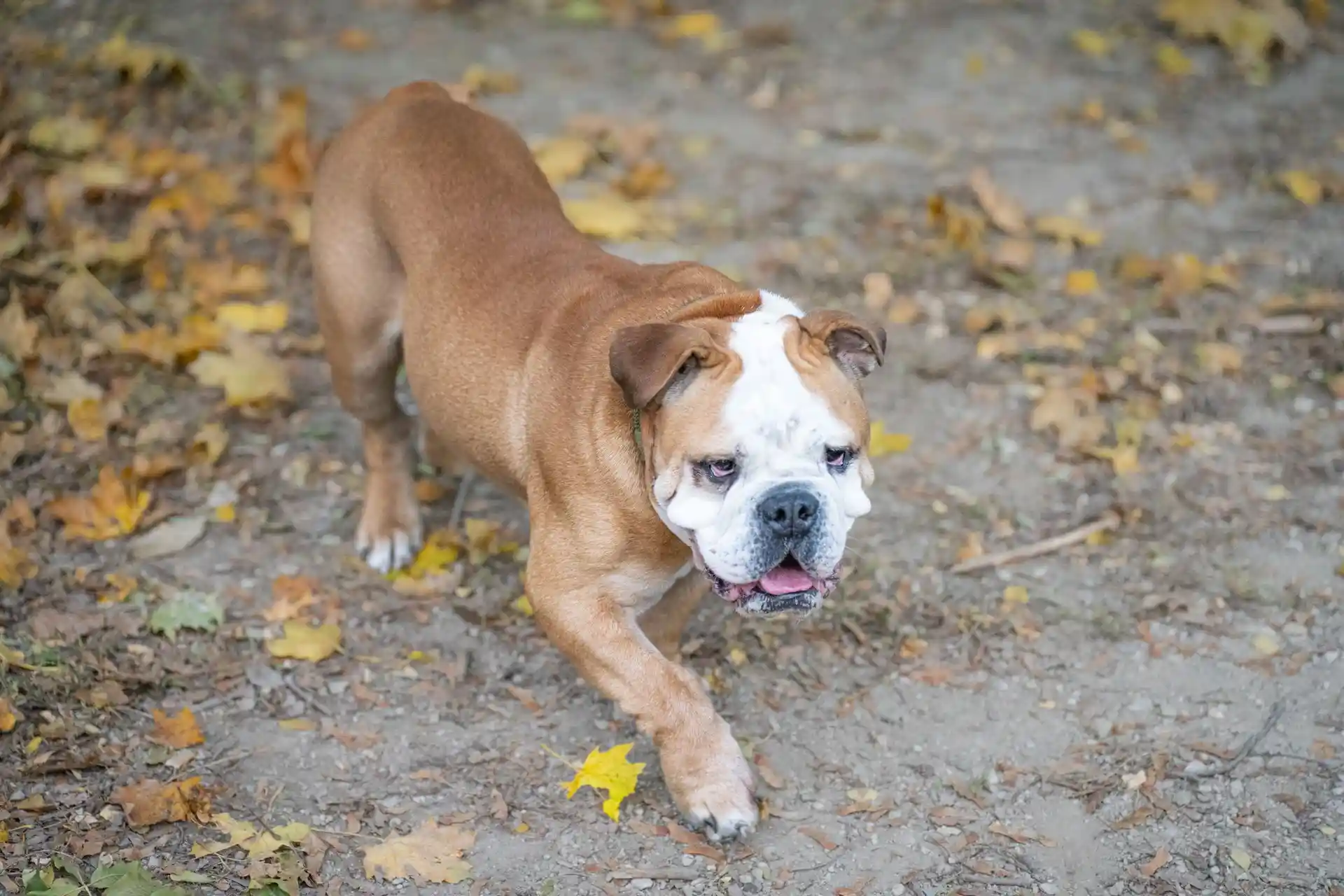
The English Bulldog's origins are far more brutal than its modern personality suggests. The breed was developed in England for bull-baiting, a blood sport in which dogs were bred specifically to grip and hold a bull by the nose, a job that shaped much of the breed's distinctive structure: the wide-set jaw, the low centre of gravity, and the pushed-in nose that let them keep breathing while still holding on.
When bull-baiting was outlawed in England in 1835, the breed faced a real risk of disappearing entirely; its original purpose was gone. Instead, breed enthusiasts began deliberately selecting for a calmer, more companionable temperament, while keeping much of the distinctive physical structure the breed had become known for. Over subsequent decades, this selective breeding intensified the breed's already exaggerated features, shorter muzzles, more pronounced skin folds, a heavier build, changes that came to define the show standard even as they created new health challenges the breed hadn't faced in its working-dog era.
The Bulldog Club (England) formed in 1878, one of the earliest single-breed clubs in the world, and the American Kennel Club recognised the breed in 1886. Today, the English Bulldog remains one of the most recognisable and popular breeds globally, a popularity that, as with several brachycephalic breeds, has intensified rather than resolved the health concerns tied to its physical structure.
Physical Characteristics of English Bulldog

Head
Large and square, with a short, flat muzzle and heavy wrinkling across the forehead and face.
Eyes
Round, dark, and set low and wide apart, giving a distinctive, alert expression.
Ears
Small, thin, and folded-back "rose ears", set high on the head.
Body
Low-slung, broad, and heavily muscled, with a pronounced roll of loose skin at the shoulders.
Limbs
Short, sturdy, and set wide apart, built for stability rather than speed or agility.
Tail
Short, either straight or screwed, carried low.
Coat
Short, flat, and fine, offering minimal protection from heat or cold.
Size
Typically 31-40 cm (12-16 in) at the shoulder.
Weight
Males around 25 kg (55 lb), females around 23 kg (50 lb), per the AKC breed standard.
Just welcomed a English Bulldog?
What to Expect With a English Bulldog
Vocalisation Level
Low, though many communicate through snorting, grunting, and heavy snoring rather than frequent barking, a direct result of their shortened airway.
Energy Level
Low. Short walks and brief play sessions suit them far better than sustained exercise, and their exercise tolerance is genuinely limited by their airway, not just their temperament.
Independence Level
Low to moderate. English Bulldogs are affectionate and enjoy company, though they're generally content to relax rather than demand constant attention.
Affection Level
High; they're deeply loyal and form close bonds with their family.
Compatibility with Children
Generally excellent, their calm, patient temperament is one of the breed's most valued traits, though supervision still matters with any breed.
Compatibility with Other Pets
Generally good, particularly with early socialisation.
Adaptability Level
Moderate. They suit calmer households and apartment living well, but are genuinely limited by heat sensitivity, a real factor in a climate like Dubai's, not just a comfort preference.
Trainability Level
Moderate. Intelligent but famously stubborn, patience and consistency matter more than repetition alone.
Exercise Requirements
Short walks, kept brief and scheduled outside the heat of the day. Overexertion is a genuine medical risk for this breed, since their airway limits how efficiently they can cool themselves through panting.
Mental Stimulation Needs
Moderate, puzzle toys and short training sessions suit their limited physical exercise tolerance well.
Grooming Frequency
Low for the coat itself, but facial and body wrinkles need daily attention to prevent skin infection, this is a genuine health requirement for the breed, not an optional grooming step.
Health Concerns of English Bulldog
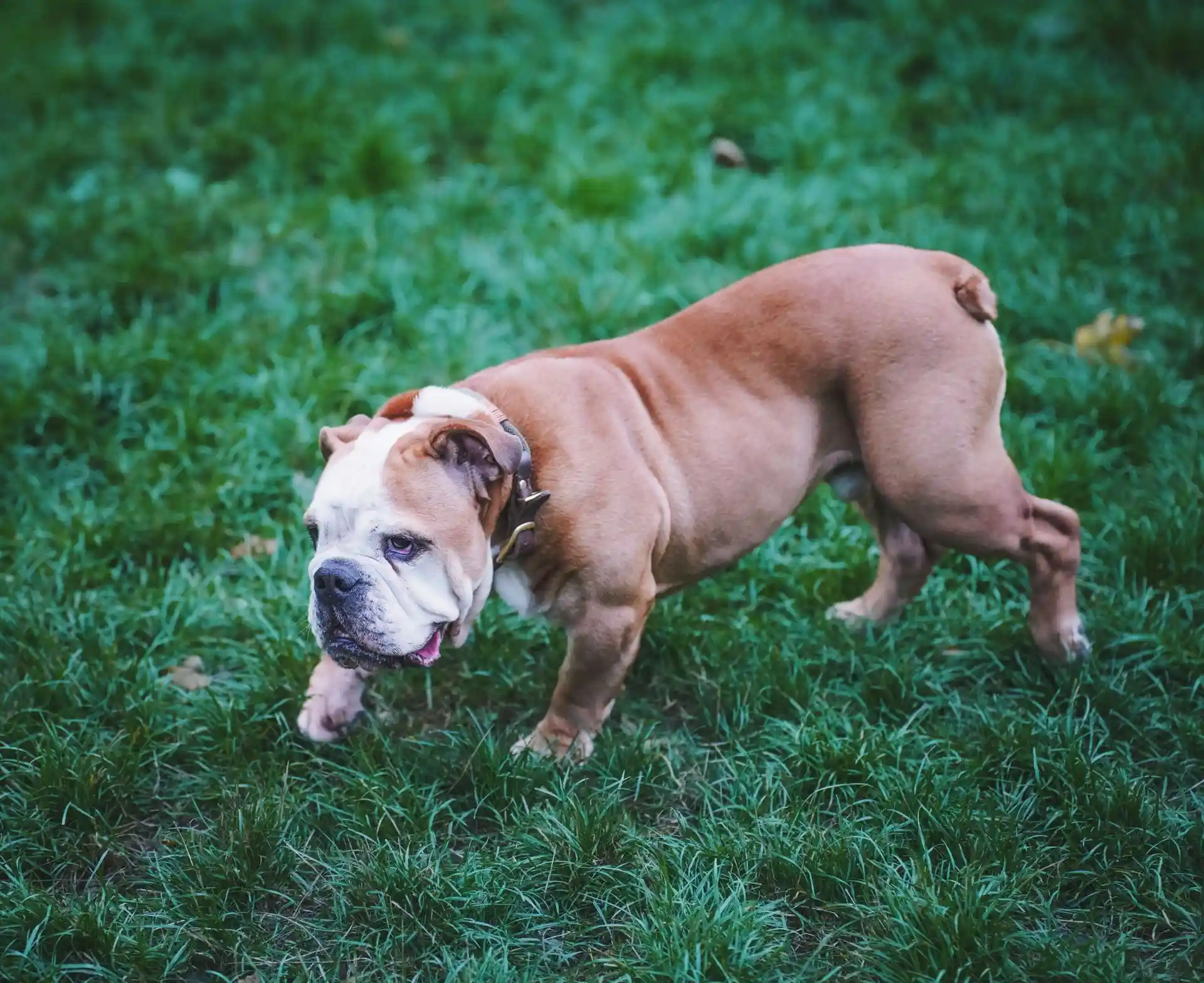
How to Groom a English Bulldog
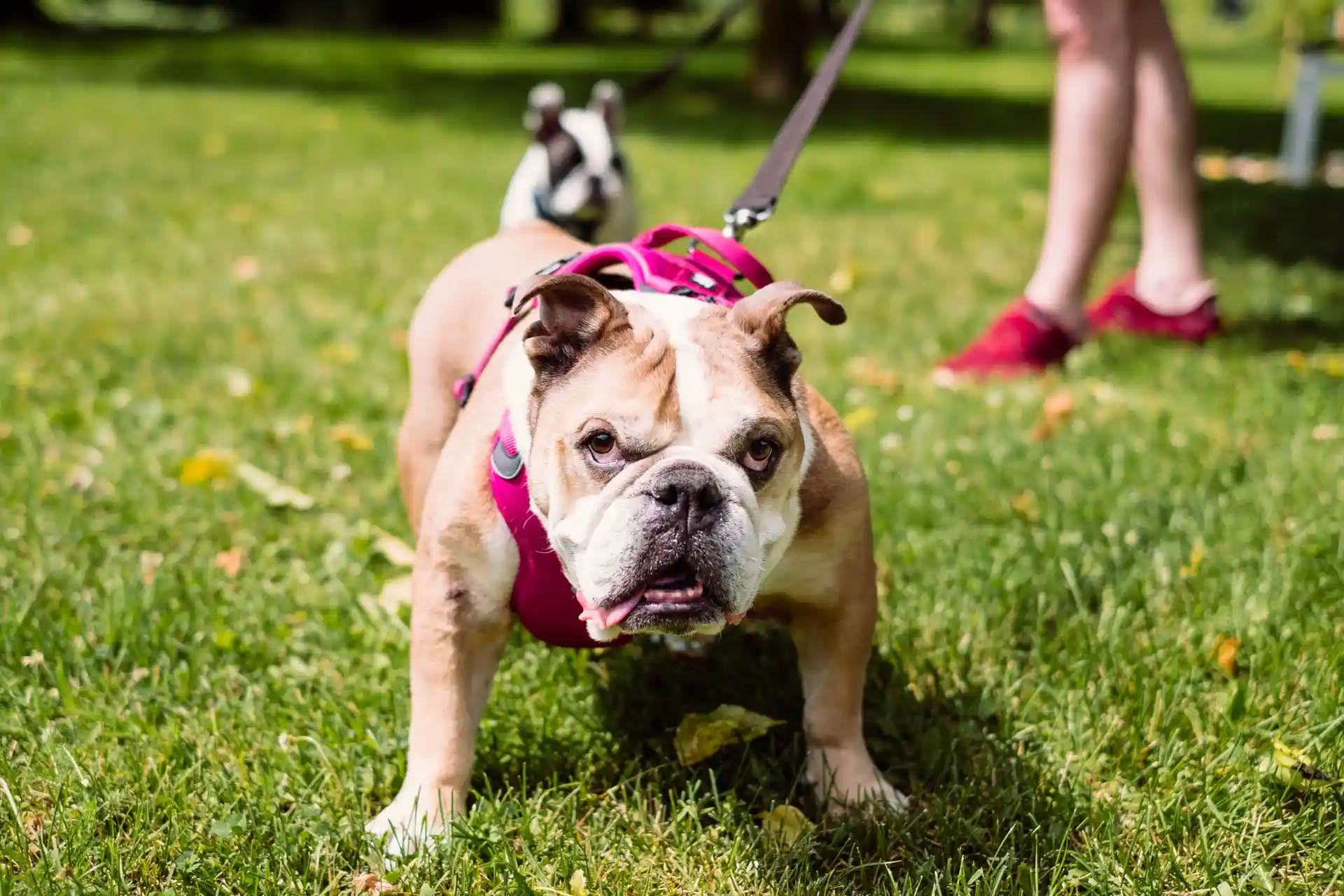
Coat Maintenance
Weekly brushing with a soft-bristle brush or grooming mitt is enough for their short coat.
Skin Health
Daily wrinkle cleaning is essential, not optional, for this breed. Trapped moisture in facial and body folds is the primary driver of the skin fold dermatitis this breed is significantly predisposed to, so this is genuinely a health task, not a cosmetic one.
Bathing Routine
Every 4 to 6 weeks, or as needed, using a gentle pet-safe shampoo.
Nail Trimming
Every 2 to 3 weeks.
Ear Cleaning
Weekly, with a pet-safe solution, never a cotton swab inside the canal. English Bulldogs carry a meaningfully higher risk of ear infection than the average dog, making regular cleaning a genuine preventive measure rather than routine maintenance alone.
Eye Care
Check daily for redness, discharge, or excessive tearing, and watch specifically for any sign of cherry eye, a visible pink or red mass in the corner of the eye, given how common this condition is in the breed.
Dental Hygiene
Brushing 2 to 3 times weekly. Their compact jaw and pronounced underbite can lead to crowding, though the breed's own health data shows a comparatively lower rate of dental disease than average, regular care still matters, but this is one area where the breed's structure works slightly in its favour.
FAQs About English Bulldog


MORE THAN A VET VISIT