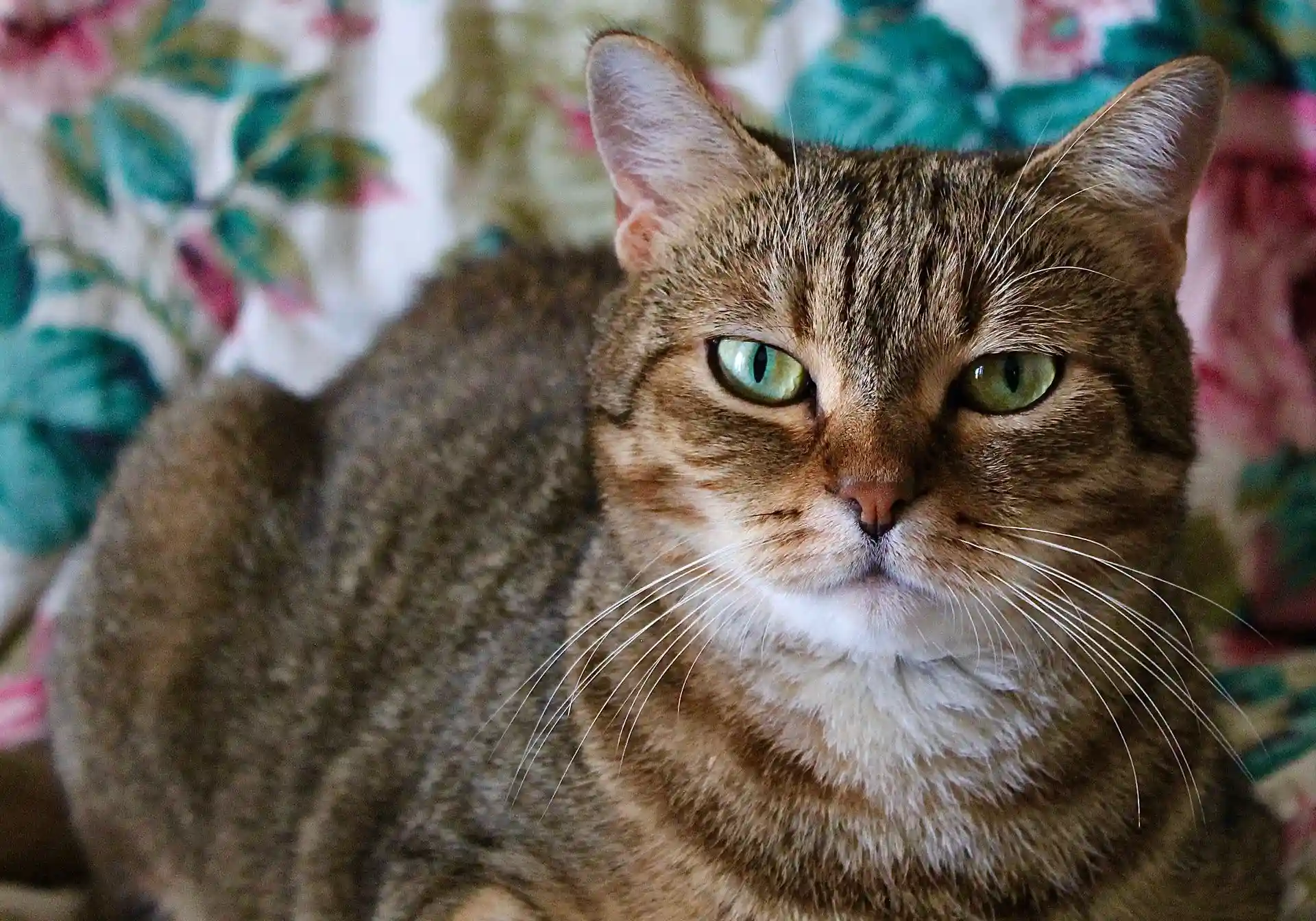
Breed Overview
Personality: Affectionate, adaptable, playful, independent, sociable
3-7 kg
Coat Colors: Black, white, brown, grey, red, cream, and combinations
Short
Coat Patterns: Solid, tabby, bicolour, tricolour, tortoiseshell
Eye Color: Green, blue, brown, hazel, gold
12 to 18 years
No
History of the Domestic Shorthair
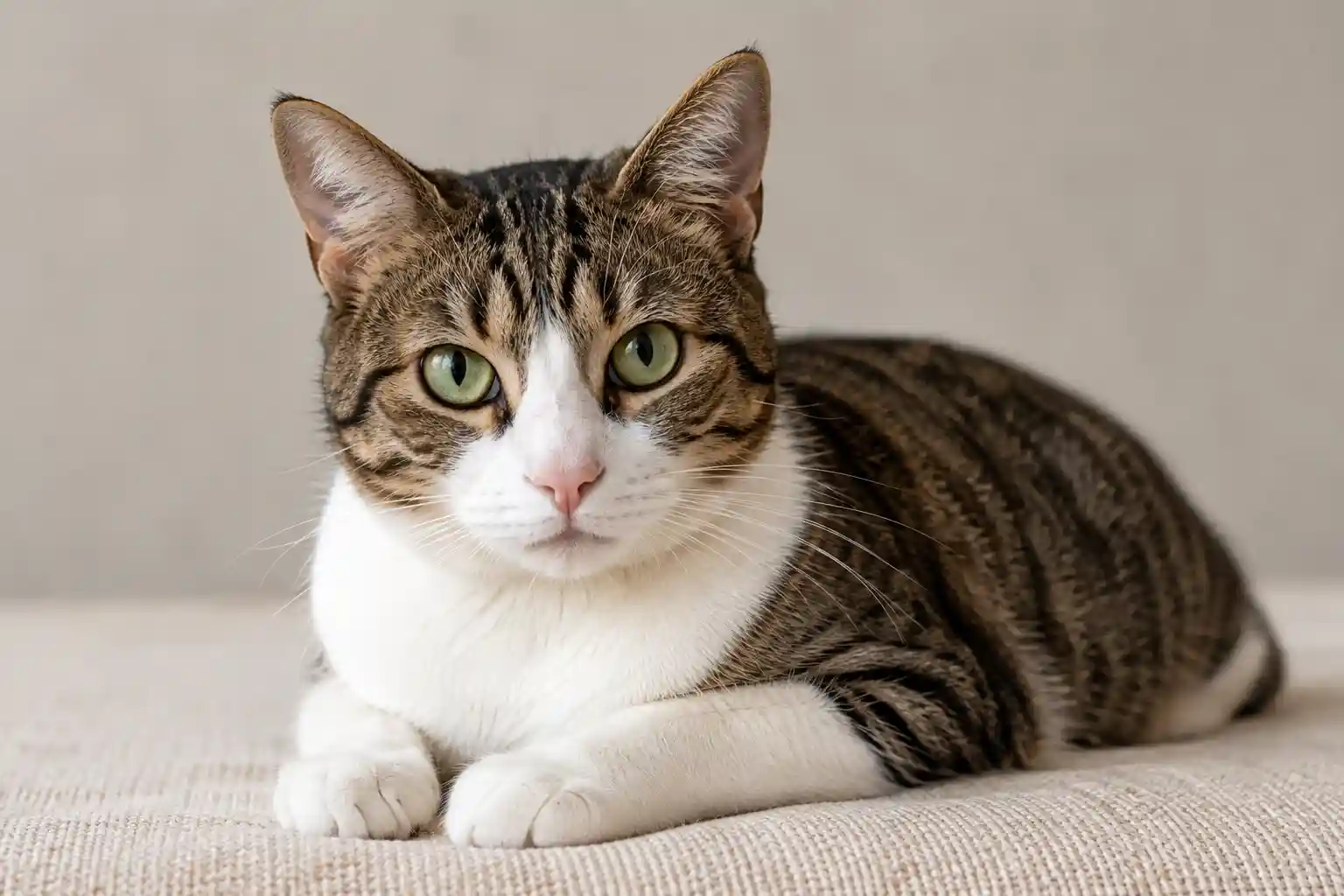
Unlike most breeds, the Domestic Shorthair does not have a single place of origin or a deliberate breeding history. Short-haired cats were domesticated in ancient Egypt and gradually spread across the world along trade routes and aboard ships, where they were valued for keeping rats and mice under control.
The Domestic Shorthairs found across the UAE and wider Gulf region largely descend from this long-standing working-cat lineage. These were cats that lived alongside people for practical purposes, long before cats became primarily companion animals.
Because they were never selectively bred for a particular appearance, Domestic Shorthairs come in an incredible variety of colours, coat patterns and personalities. Every cat is unique, reflecting generations of mixed ancestry and natural adaptation.
This mixed ancestry is also why Domestic Shorthairs make up the majority of cats in shelters and rescues; they're not a rare or exclusive breed, just resilient, adaptable cats that have always found a way to live alongside people.
Physical Characteristics of Domestic Shorthair
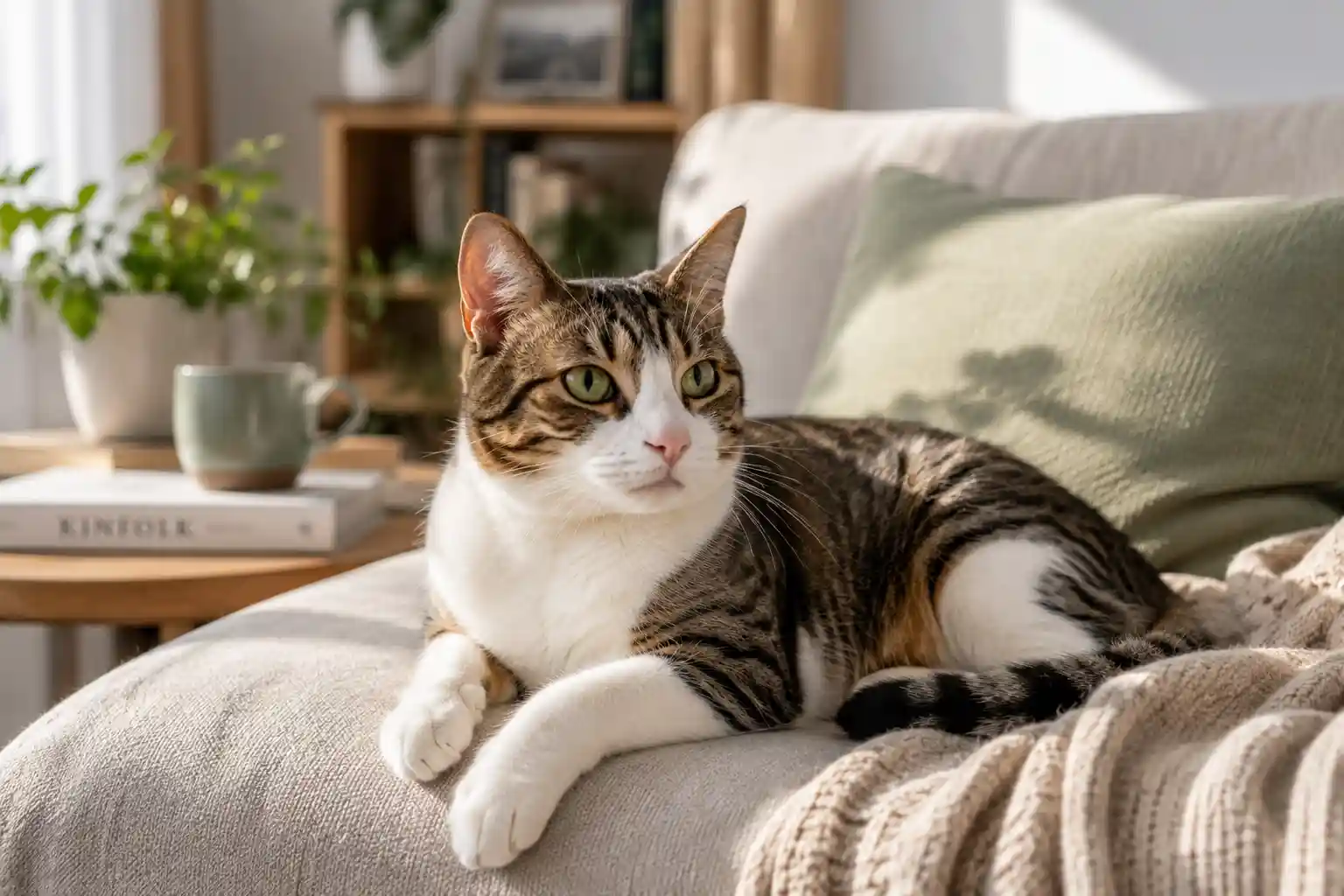
Head
A round, broad head with full cheeks and a straight, medium-length nose.
Eyes
Large, round eyes set well apart, most often green, gold, or brown, though blue and hazel also occur.
Ears
Medium-sized, slightly rounded at the tips, and set moderately apart.
Body
A muscular, well-proportioned body of medium build, neither as compact as a British Shorthair nor as slender as an Oriental breed.
Limbs
Sturdy, medium-length legs built for climbing and quick, confident movement.
Tail
A medium-to-long tail, tapering slightly, carried level or gently curved.
Coat
Short, dense, and close-lying, requiring far less maintenance than long-haired breeds.
Size
Medium overall, though this varies more than most breeds; males are generally larger than females.
Weight
Males typically weigh 4-7 kg, while females typically weigh 3-5.5 kg.
Just welcomed a Domestic Shorthair
What to Expect With a Domestic Shorthair
How Vocal Are Domestic Shorthairs?
Domestic Shorthairs vary widely here; some are quite chatty, others rarely vocalise at all, largely down to individual personality rather than breed traits.
Are Domestic Shorthairs Energetic?
Their energy levels are moderate to high. Most enjoy regular play and do well with climbing spaces and interactive toys to burn off energy.
Can Domestic Shorthairs Be Independent?
Domestic Shorthairs are fairly independent, though many form strong bonds with their owners and enjoy company on their own terms.
Are Domestic Shorthairs Affectionate?
Domestic Shorthairs are generally affectionate, particularly once settled into a routine, though this can range from lap cat to more reserved companion.
Are Domestic Shorthairs Great for First-Time Owners?
Yes, they're one of the easiest cats to start with. Low grooming needs, hardy health, and adaptable personalities make them a forgiving choice for someone new to cat ownership, and their wide range of temperaments means there's usually a good match for almost any household.
Can Domestic Shorthairs Be Good With Kids?
Generally, yes. Their easygoing, adaptable nature tends to make them tolerant of a busy, noisy household, though as with any cat, gentle handling and early socialisation with children go a long way toward a good relationship.
Do Domestic Shorthairs Get Along With Other Pets?
Domestic Shorthairs typically get along well with other cats and dogs when introduced properly, thanks to their generally easygoing temperament.
What Is It Like Having a Domestic Shorthair?
It genuinely depends on the individual cat, more than almost any other breed. Some are lap cats who follow you room to room; others are more independent and content to do their own thing. What they share is low-maintenance care and a knack for settling comfortably into whatever home they're in.
Can Domestic Shorthairs Be Trained?
Yes, they're intelligent and generally responsive to positive reinforcement. Litter training, basic commands, and even simple tricks are realistic with consistency, especially since many are food-motivated.
How Much Exercise Do Domestic Shorthairs Need?
Around 15 to 20 minutes of active play, once or twice a day, is usually enough. Given their tendency toward weight gain, regular play matters more for this breed than for some others, it's a genuine health factor, not just enrichment.
What to Feed a Domestic Shorthair?
A high-protein, balanced diet appropriate to their life stage, with portion sizes matched to their activity level rather than a fixed amount, since Domestic Shorthairs vary more in size than most breeds. Speak to your vet about the right portion for your cat specifically, given how much weight range this breed covers.
When to Groom a Domestic Shorthair?
Brushing once a week is generally enough for their short coat. Bathing is rarely needed at all, most Domestic Shorthairs keep themselves clean without help.
Health Concerns of Domestic Shorthair
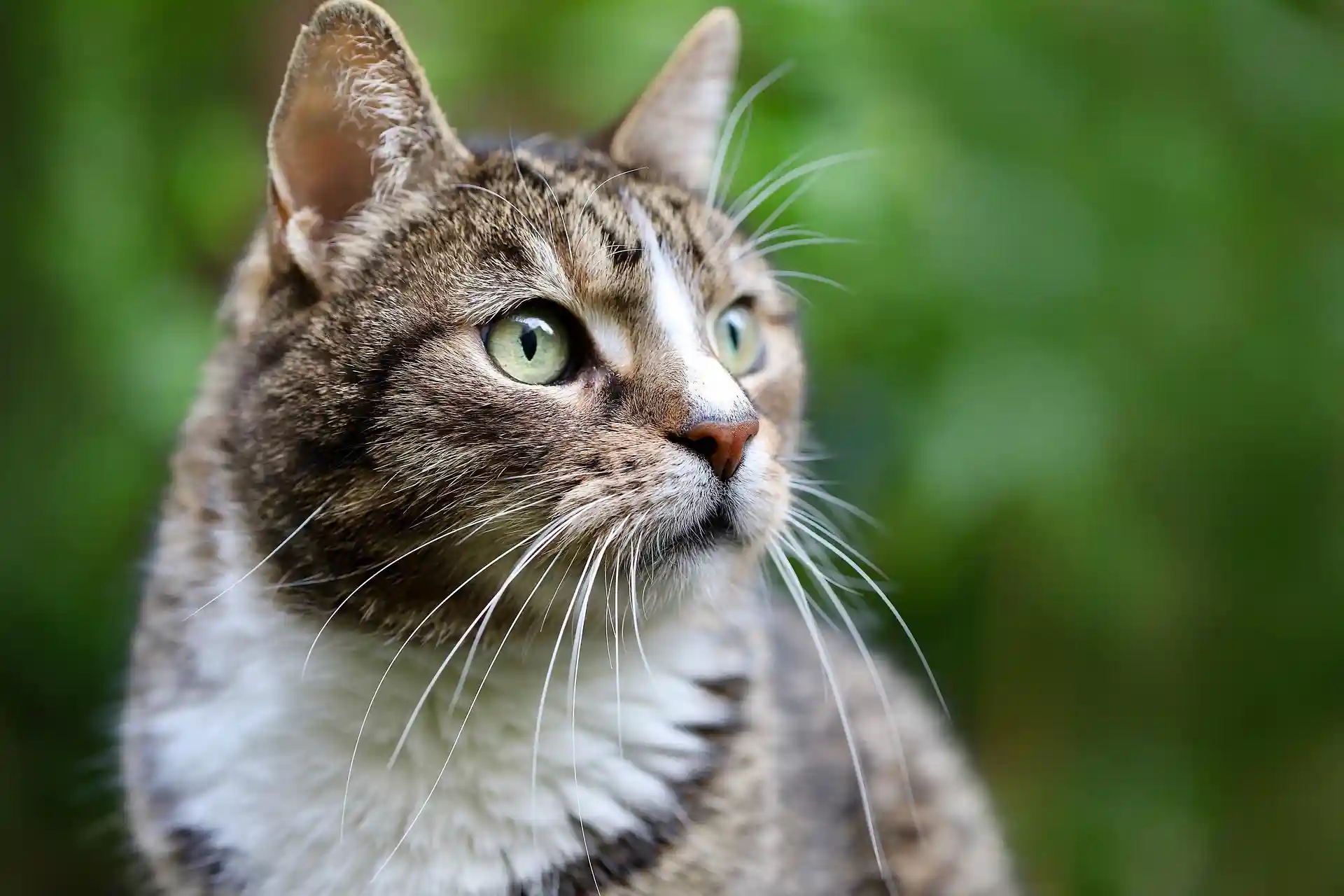
Because Domestic Shorthairs come from such a wide, mixed gene pool, they're generally considered one of the healthier cat types, with fewer inherited conditions than many purebred cats.
How to Groom a Domestic Shorthair
A short, low-maintenance coat. Brushing once a week with a soft-bristle brush or grooming glove is generally enough to remove loose hair and reduce shedding.
Generally healthy skin with few breed-specific issues, though any persistent itching, redness, or hair loss is worth a vet check rather than assuming it's normal.
Rarely necessary. Most Domestic Shorthairs are efficient self-groomers and only need a bath if they get into something messy.
Trim every 2 to 3 weeks, or as needed, to keep nails from becoming overly sharp or catching on fabric.
Check ears weekly and clean gently with a pet-safe solution if there's visible dirt or wax buildup, never use a cotton swab inside the ear canal.
Wipe away any discharge with a soft, damp cloth as needed, most Domestic Shorthairs need little to no eye care.
Brushing 2 to 3 times a week, alongside regular vet dental checks, is the best way to prevent the dental disease this breed is genuinely prone to.
FAQs About Domestic Shorthair

Worried about your pet?
We’re here for urgent care, wellness checks, or anything in between.